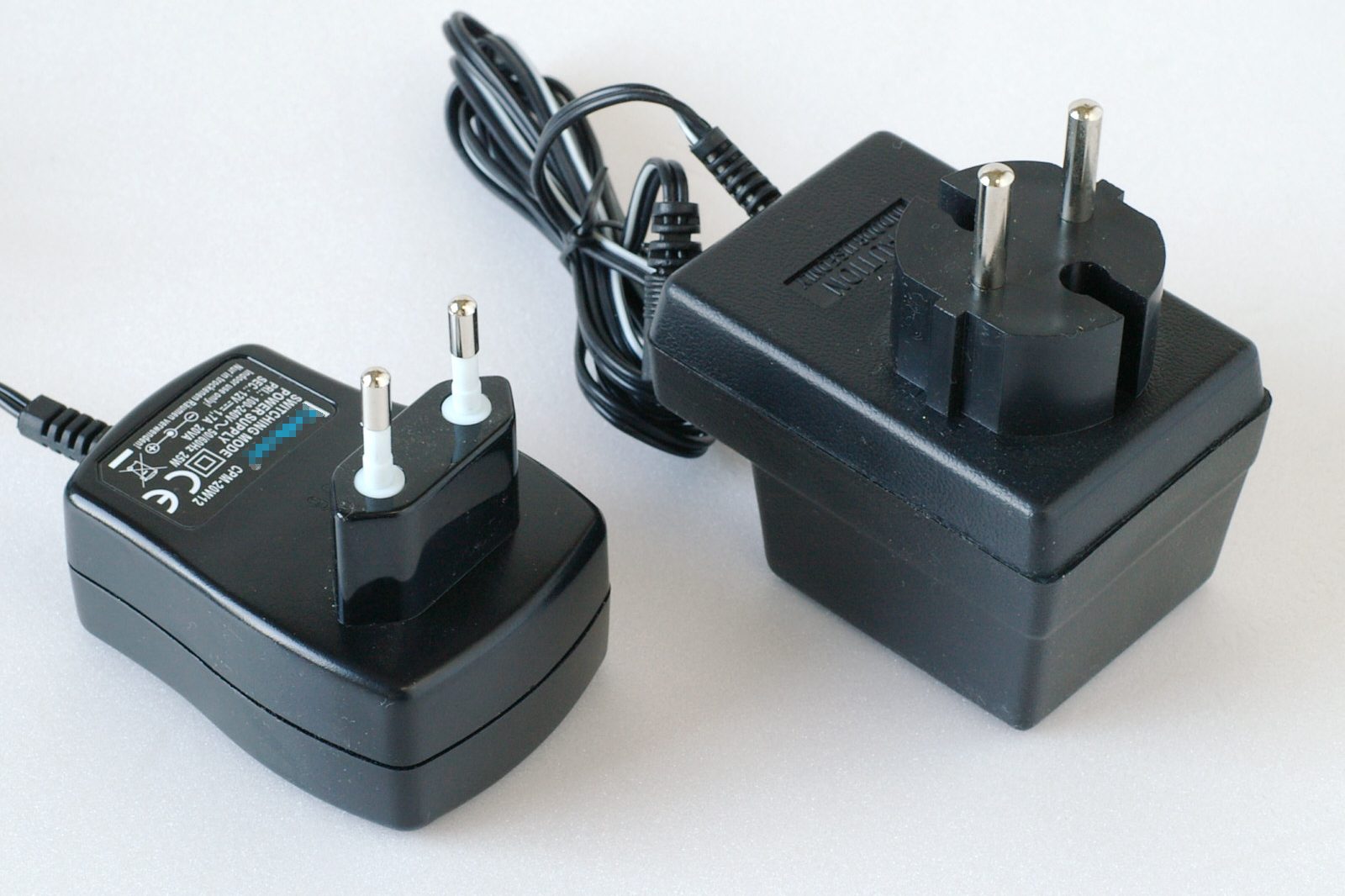
Picking a universal travel adapter
Plug shapes, voltage, and the difference between an adapter, a converter and a transformer, so you charge safely abroad.
By FindGuides Editors · September 16, 2026 · 6 min read
Travelling with electronics raises two separate questions that are easy to confuse. The first is physical: will your plug fit the socket in the wall. The second is electrical: can your device run on the voltage that socket supplies. A travel adapter answers only the first. Getting the second wrong can damage a device or worse, so it is worth spending two minutes understanding which tool does which job before you buy anything.
Adapter, converter, transformer: not the same thing
These three words get used as if they mean the same thing, and they do not. An adapter is a passive shell that lets one plug shape fit another socket shape. It passes the wall voltage straight through, unchanged. A voltage converter or a transformer actively changes the voltage, stepping it up or down so a device built for one standard can run on another. You need an adapter almost every trip. You only need a converter or transformer for a specific kind of device, described below.
| Device | Changes plug shape | Changes voltage | Use for |
|---|---|---|---|
| Travel adapter | Yes | No | Any dual-voltage device: phones, laptops, cameras |
| Voltage converter | No | Yes (briefly) | Short-use single-voltage items like some travel kettles |
| Transformer | No | Yes (continuous) | Heavier single-voltage appliances, used with care |
Check voltage before you check plugs
Mains electricity is not the same everywhere. Much of the world runs at roughly 220 to 240 volts, while North America, Japan and a few other places run at roughly 100 to 120 volts. The good news is that most modern chargers are built for all of it. Look at the small print on the charger or power brick for a line that reads input 100 to 240 volts, 50 to 60 hertz. If you see that range, the device is dual voltage and an adapter alone is enough anywhere in that span. Phone chargers, laptop bricks, camera chargers, tablets and electric toothbrush bases almost always carry that range.
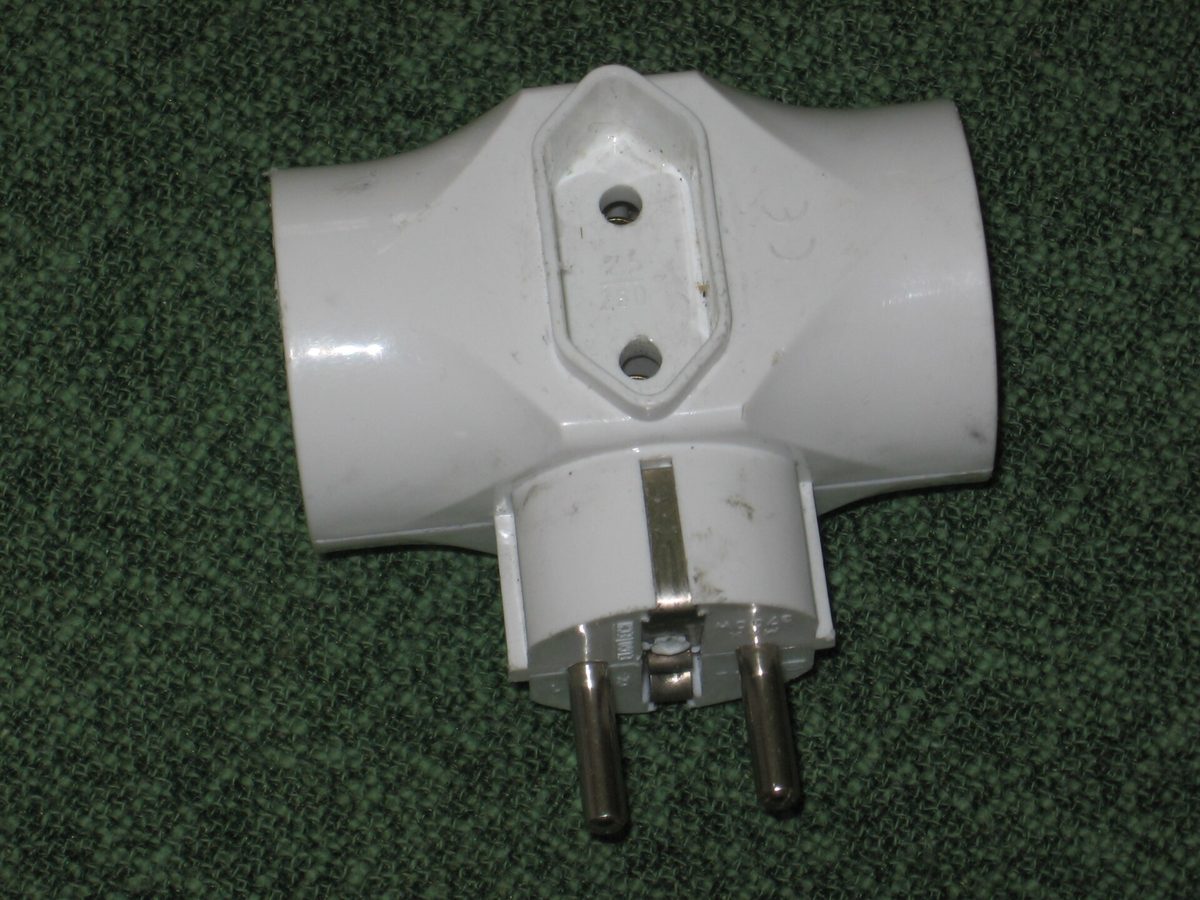
The devices that are not dual voltage tend to be ones with a heating element or a motor built for a single standard: some hair dryers, straighteners, travel kettles and older appliances. Plug a 120 volt hair dryer straight into a 230 volt socket through a plain adapter and it can burn out in seconds. That is the situation where you need a converter or transformer, or more simply, a dual-voltage version of the appliance or the one the hotel already provides.
Plug types by region
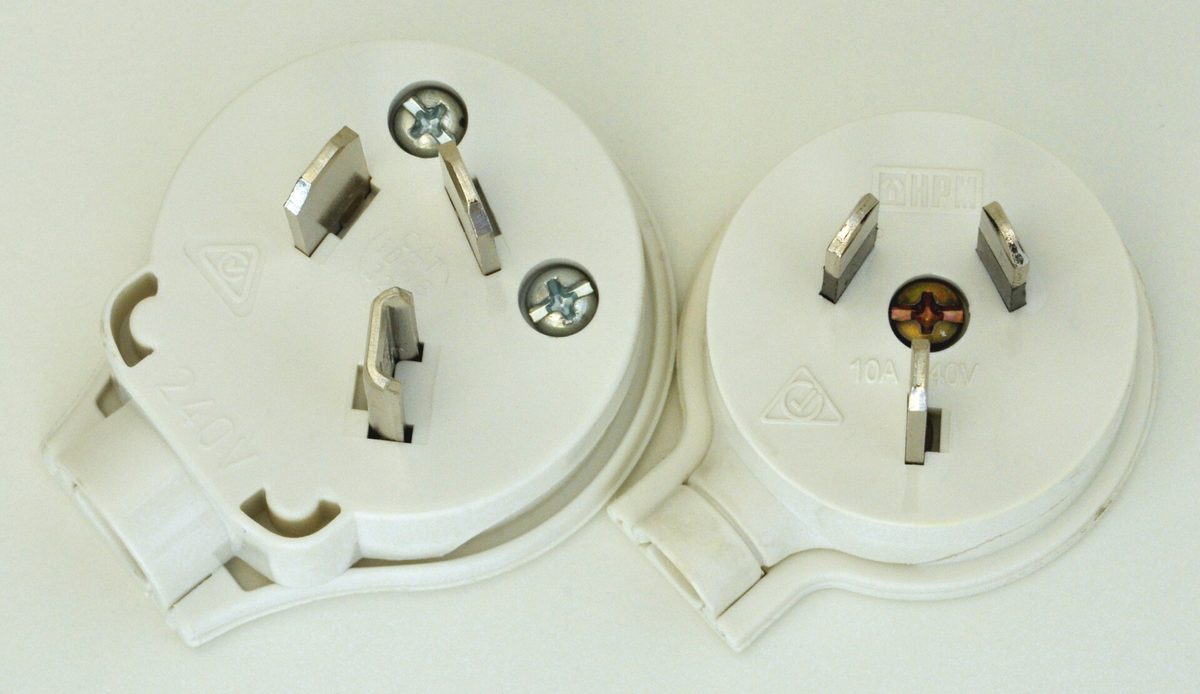
Plug shapes are grouped into lettered types. You do not need to memorise them, only to know which ones cover your trip. A few of the common ones: Type A and B are the flat pins used in North America and Japan; Type C is the two round pins used across most of Europe; Type G is the three rectangular pins used in the United Kingdom and Ireland; Type I is the angled pins used in Australia and New Zealand. A so-called universal adapter includes several of these in one body, which is why it suits a multi-country trip. If you only ever visit one region, a small single-type adapter is lighter and cheaper.
What to look for in a universal adapter
Beyond covering the right plug types, a few features separate a good adapter from a frustrating one. Built-in USB-A and USB-C ports let you charge phones and small devices without carrying the plug bricks at all, though check the quoted wattage if you want to charge a laptop over USB-C, since a weak port will charge it slowly or not at all. Look for a sliding mechanism that locks firmly rather than flopping loose in the socket, since a heavy brick hanging from a wobbly adapter can fall out. Many universal adapters are not grounded, so if a device has a three-pin earthed plug, check that the adapter carries the earth through rather than leaving it floating.
One small habit saves most arguments at the hotel desk: before you rely on an adapter for a trip, plug your actual chargers into it at home and confirm they sit firmly and charge. Cheap adapters sometimes grip loose pins poorly, and a charger that works loose overnight means a flat phone in the morning. If you travel with several devices, an adapter with a built-in multi-port charger, or a compact power strip plugged into a single adapter, lets you turn one foreign socket into several familiar ones without carrying a bag of bricks.
A sensible kit
For most travellers the right answer is small. One universal adapter that covers your destinations, a compact USB-C charger that already handles the full voltage range, and a short multi-port cable will charge a phone, a laptop and a pair of headphones from a single wall socket. Leave the converters and transformers at home unless you genuinely need to run a single-voltage appliance, and when you do, buy a dual-voltage travel version instead. Check the input label on every device the day before you leave, and the only thing left to match is the plug in the wall.
Photo credits. Photo: Smial / Wikimedia Commons, CC BY-SA 2.0 de. Photo: Julo / Wikimedia Commons, Public domain. Photo: Malvineous / Wikimedia Commons, CC BY-SA 4.0.
More in Travel
- TravelPacking a toiletry kit for airport securityHow the carry-on liquids rule works, what counts as a liquid, and simple ways to pack so you clear the scanner quickly.
- TravelHow to use packing cubesA simple system for turning a bag of loose clothes into tidy blocks you can find, repack, and fit more of.
- TravelChoosing a carry-on backpackHow to pick a cabin-sized pack that fits the bag sizer, carries well, and opens the way you actually pack.